
Mapo tofu is a spicy and flavorful Chinese dish that is typically served with steamed rice. However, if you’re looking to round out your meal with some additional dishes, there are many options that pair well with mapo tofu. In this article, we’ll provide tips on what to serve with mapo tofu, including vegetable dishes, noodle dishes, and soups. We’ll also provide some delicious recipes that complement the flavors of mapo tofu and help to create a well-rounded and satisfying meal. Whether you’re hosting a dinner party or simply looking for some new and creative meal ideas, this article will give you plenty of inspiration.
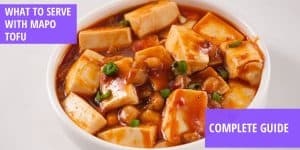
What is Mapo Tofu?
Origins in Sichuan Province
Mapo Tofu is a renowned Chinese dish that has its origins in the Sichuan Province. This region is widely known for its love of spicy food, and Mapo Tofu has been no exception. The dish is characterized by its fiery bright red sauce and the numbing effect that is created by the signature spice of the Sichuan region, Sichuan peppercorns1.
Key Ingredients
The key ingredients in a classic Mapo Tofu recipe include silken tofu, ground pork or beef, fermented bean paste (douban and douchi), chili oil, and Sichuan peppercorns2. The silken tofu is traditionally simmered while the other ingredients are combined to create the spicy sauce. Each component adds unique flavor profiles and contributes to the overall aroma and taste of the dish.
- Silken tofu: Soft and delicate texture, absorbs flavors from the sauce
- Ground pork or beef: Adds depth and savory flavor
- Fermented bean paste (douban and douchi): Umami undertones and a slight sweetness
- Chili oil: Gives the dish its heat and signature bright red color
- Sichuan peppercorns: Impart a unique numbing effect and distinctive fragrance
Authentic versus Adapted Versions
Throughout the years, adaptations of Mapo Tofu have surfaced to cater to various dietary preferences and tastes. For instance, a popular vegan version of the dish can be prepared by substituting ground pork or beef with soaked and drained shiitake mushrooms, chopped and fried in place of the meat, and substituting chicken stock for vegetable stock3.
Authentic recipes, however, tend to emphasize the use of traditional ingredients and techniques to maintain the true essence of the dish. To truly experience the flavors and textures of the original Mapo Tofu, it is important to prioritize the use of ingredients like Sichuan peppercorns, douban, and douchi, which are integral to the dish’s unique taste.
When serving Mapo Tofu, it is traditionally accompanied by fluffy white rice, which helps to balance the intense flavors and heat found in the dish3.
Footnotes
Best Side Dishes for Mapo Tofu
Mapo tofu, a spicy and flavorful Sichuan dish, can be paired with an array of side dishes to create a well-rounded meal. In this section, we will discuss the best side dishes for mapo tofu, categorized into Starches, Vegetables, Proteins, and Appetizers.
Starches
- Steamed Rice – Steamed rice is a classic choice for serving with mapo tofu. The fluffy texture and mild flavor of the rice offer a perfect counterbalance to the rich and spicy flavors of the mapo tofu. Both Jasmine and Basmati rice varieties work well as side dishes for mapo tofu.
- Fried Rice – Fried rice is another popular option to serve alongside mapo tofu. Variations like egg fried rice or vegetable fried rice not only complement the tofu dish but also add an extra layer of flavors and texture to the meal.
- Noodles – Noodles, such as udon or soba, can be a satisfying alternative to rice. Serving mapo tofu over a bed of noodles creates a comforting and filling dish.
Vegetables
- Green Beans – Sautéed or steamed green beans can be an excellent addition to a mapo tofu meal. Their crunchiness and mild flavor help to offset the spiciness of the main dish.
- Mushrooms – Mushrooms, particularly shiitake or oyster varieties, can be sautéed with garlic and served alongside mapo tofu to provide a delicious and earthy flavor profile.
Proteins
- Chicken – While mapo tofu is often prepared with ground pork or beef, pairing it with a separate chicken dish like General Tso’s or Kung Pao Chicken can be a delicious way to add protein to the meal.
- Beef – Sliced beef stir-fried with garlic, soy sauce, and vegetables can also be a great protein option to serve with mapo tofu, offering a hearty and savory complement to the spicy tofu dish.
Appetizers
- Dumplings – Dumplings, such as potstickers or steamed dumplings, can be served as a starter to a mapo tofu meal, setting the stage for a satisfying dining experience.
- Egg Rolls – Crispy egg rolls filled with vegetables and served with a sweet-and-sour or soy dipping sauce can be another delicious appetizer choice for a mapo tofu feast.
- Salad – A light, refreshing salad featuring mixed greens, cucumber, and tomatoes with a simple Asian-inspired dressing (like ginger-soy vinaigrette) can be an ideal way to cleanse the palate before diving into the rich flavors of mapo tofu.
These side dishes will enhance the flavors and textures of a mapo tofu meal, ensuring that all taste buds are satisfied, and the dining experience is enjoyable for everyone.
Key Ingredients in Mapo Tofu
Tofu
Mapo tofu is a well-known dish that features soft tofu as the main ingredient. The soft tofu readily absorbs the flavorful sauce and spices, making it perfect for this dish. It is essential for the tofu to be soft or silken variety, as it has a delicate texture that complements the bold flavors of the sauce1.
Meat
In most mapo tofu recipes, ground pork is the preferred choice though some variations use ground beef or chicken2. The choice of meat can be selected based on individual preferences or dietary restrictions. Whichever meat chosen, it should be properly cooked and broken into small pieces for even browning.
Sichuan Peppercorns and Chili Oil
One of the defining features of mapo tofu is the use of Sichuan peppercorns, which provide a unique numbing sensation on the tongue3. These peppercorns are typically coarsely ground and added to the dish for an authentic experience4. In addition to the Sichuan peppercorns, chili oil adds a rich color and spiciness to the dish, contributing to the complex flavor profile.
Other Ingredients
There are several other components that contribute to the distinct taste of mapo tofu:
- Doubanjiang: This spicy fermented bean paste forms the base of the sauce, adding savory, salty, and spicy flavors5.
- Sesame oil: Adds a rich, nutty taste to the sauce.
- Soy sauce: Enhances the overall depth of flavor in the dish.
- Ginger and garlic: Create a background layer of pungency and warmth.
- Cornstarch6: Helps thicken the sauce, allowing it to coat the tofu and meat evenly.
- Scallions: Add a fresh, bright contrast to the rich sauce.
- Additional spices and condiments: These may include miso, oyster sauce, and mirin, which can be used to adjust the flavor profile to taste7.
Each of these ingredients plays a crucial role in creating the complex and balanced taste that makes mapo tofu a popular dish worldwide. By keeping the primary components in mind, you can achieve a delicious and satisfying mapo tofu.
Footnotes
Vegetarian and Vegan Mapo Tofu
Vegetarian and vegan mapo tofu is a delicious, protein-rich dish that can be enjoyed by those who follow both diets. While the traditional recipe typically contains ground pork, there are plenty of alternative protein sources and ingredient adjustments that can be made to cater to different dietary preferences.
Alternative Protein Sources
- Shiitake mushrooms: In addition to their rich, savory flavor, shiitake mushrooms offer a substantial level of protein1. They can be used to replace ground pork, as demonstrated in this Vegan Mapo Tofu recipe.
- Soy products: Tofu, which is made from soybeans, is a known source of protein2 frequently used in mapo tofu dishes. However, other soy-based products, like tempeh and edamame, can be added as well to boost protein content.
- Legumes: Lentils, chickpeas, or black beans can be incorporated into a mapo tofu dish, as they are all excellent sources of protein and iron3.
Adjusting Ingredients
To make a vegetarian or vegan-friendly version of mapo tofu, consider these ingredient adjustments:
- Tofu: Choose a soft or silken tofu in place of hard or firm tofu4. Soft tofu has a texture closer to that of cooked ground meat, and silken tofu blends more seamlessly into the spicy sauce.
- Calcium: In some recipes, ground Sichuan peppercorns are used instead of calcium sulfate5. This substitution can still deliver a hint of heat and numbing sensation, although at a lower intensity.
- Salt: Keep in mind that soy sauce and other premade sauces can contain high amounts of salt6. Consider using low-sodium soy sauce, or add salt to taste.
In summary, vegetarian and vegan mapo tofu is a versatile, flavorful, and nutritious dish that can be tailored to suit different dietary needs. By substituting traditional ingredients with plant-based alternatives, such as shiitake mushrooms, soy products, or legumes, you can enjoy a delicious meal without compromising on protein, calcium, or iron.
Footnotes
- https://cooking.nytimes.com/recipes/1017358-vegan-mapo-tofu ↩
- https://thewoksoflife.com/vegan-mapo-tofu/ ↩
- https://healthynibblesandbits.com/vegetarian-mapo-tofu/ ↩
- https://omnivorescookbook.com/vegetarian-mapo-tofu/ ↩
- https://choosingchia.com/vegetarian-mapo-tofu/ ↩
- https://cooking.nytimes.com/recipes/1017358-vegan-mapo-tofu ↩
Cooking Techniques for Mapo Tofu
Preparing Tofu
The star ingredient in mapo tofu is silken tofu, a delightfully soft and tender product made from soybeans that easily soaks up the spicy sauce’s flavors. To properly prepare silken tofu for this dish, drain it thoroughly and cut it into approximately 1-inch cubes. It is important to handle the tofu gently, as its delicate nature may cause it to crumble easily.
Stir-Frying Process
Mapo tofu is a staple in Chinese recipes and often found in stir-fries, thanks to its ability to absorb savory flavors. To achieve the perfect mapo tofu stir-fry, begin by cooking your choice of ground meat (pork or beef) in a heated wok or skillet. Then, add your veggies, such as onions or zucchini, and continue stir-frying until the vegetables are tender but still crisp.
Add the tofu and your preferred sauce (explained below) to the wok, taking care to gently combine all ingredients. Cook for a few more minutes, allowing the tofu and veggies to soak up the sauce and fully enjoy the flavors.
Preferred Oils and Sauces
For a flavorful and authentic mapo tofu dish, it is crucial to choose the right cooking oil and sauce. Olive oil may not be the best choice for this dish, as its flavor can overpower the other ingredients. Instead, opt for a neutral oil such as vegetable or canola oil, which will enhance the dish’s taste without stealing the spotlight.
As for the sauce, a combination of oyster sauce, soy sauce, and chicken broth creates a base that brings out the vibrant flavors. Additional ingredients can be added to the sauce base, such as chilies, fermented bean paste, or Sichuan peppercorns, to intensify the signature spicy kick of mapo tofu.
In summary, preparing mapo tofu involves gentle handling of silken tofu, an effective stir-frying process, and a well-balanced sauce that incorporates the right oils and features. With these techniques, the dish will be an enticing and enjoyable addition to any meal.
Pairing Mapo Tofu with Other Dishes
Balancing Flavors
Mapo tofu is a classic Sichuan dish that is known for its numbing and spicy flavors, derived from ingredients like chili bean paste, Sichuan peppercorns, and fermented bean paste. To create a harmonious meal, it is essential to balance these strong flavors with complementary dishes.
For instance, scallions, green onions, and peppers can be incorporated into various side dishes as they help enhance the taste of the main dish. Similarly, a mild vegetable stir-fry with sesame oil and soy sauce is an excellent accompaniment, offering a subtle flavor that contrasts with the spiciness of mapo tofu. Another option is to serve steamed or sautéed leafy greens seasoned with minimal spices, which lets the bold flavors of mapo tofu shine while still providing a healthy and satisfying meal.
A popular way to offset the heat and numbing sensation often associated with mapo tofu is to serve it with white or brown rice, as the neutral taste and fluffy texture of the grains make an ideal base for this vibrant dish. Additionally, noodles or Asian-style soups that feature a mild broth can provide a soothing contrast to the fiery components of mapo tofu.
Accommodating Dietary Preferences
As mapo tofu traditionally contains ground pork or beef and chicken stock, it is crucial to adapt the dish to accommodate various dietary preferences. For vegetarian or vegan diners, simply omit the meat and use vegetable stock instead of chicken stock. Alternatively, you can replace the ground meat with plant-based substitutes, such as crumbled tempeh or textured vegetable protein.
To cater to those with gluten sensitivities or allergies, consider swapping soy sauce for a gluten-free tamari sauce. Also, make sure the chili bean paste, fermented bean paste, and other ingredients used in the dish are gluten-free.
A well-rounded meal featuring mapo tofu should consist of dishes that complement its mala flavor profile while catering to different dietary requirements. By balancing flavors with a variety of sides, as well as being mindful of guests’ dietary preferences, you can ensure that everyone can enjoy a delightful and satisfying dining experience centered around this iconic Sichuan dish.

Hey, I’m Joey. I’ve been cooking since I was a little kid and love everything about it. You can find my writing about food, kitchen appliances (such as blenders) and much more. Thanks for stopping by!
