
Tofu is a beloved ingredient in many vegetarian and vegan diets, but have you ever wondered what’s in it? In this article, we’ll explore the ingredients that make up this versatile food, its nutritional benefits, and how it’s made.
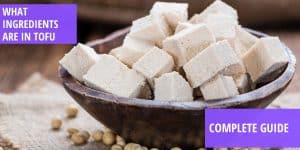
What Is Tofu?
Tofu, also known as bean curd, is a popular, versatile ingredient made from soybeans. It has its origins in ancient China and has become a staple food item in several Asian cuisines. Over the years, tofu has gained global recognition and is now commonly used as a nutritious alternative to meat in many vegetarian and vegan recipes.
To make tofu, dried soybeans are first soaked in water and then crushed into a pulp. This mixture is boiled and later separated into solid pulp, called okara, and soy “milk.” This soy milk undergoes further processing with the addition of salt coagulants, such as calcium and magnesium chlorides and sulfates. The coagulants cause the soy milk to separate into curds and whey, much like the process of making cheese1.
The curds are then pressed into blocks and can vary in consistency depending on the amount of water removed during the pressing process. Tofu textures range from soft and silky to firm and extra-firm, making it suitable for various cooking methods and recipes2.
Tofu is not only a minimally-processed food but also a rich source of nutrients. It contains significant amounts of protein, making it an ideal option for those looking to replace meat in their diets. Moreover, tofu is rich in vitamins, minerals, and amino acids that contribute to a well-balanced diet3.
Some key points about tofu include:
- Made from condensed soy milk.
- High in protein, vitamins, and minerals.
- Comes in various textures, such as soft, firm, and extra-firm.
- Popular in Asian cuisines and as a meat alternative in vegetarian and vegan dishes.
- Can be cooked using an array of methods, such as frying, baking, or grilling.
Although tofu is often made from genetically modified (GMO) soybeans, organic tofu can provide a GMO-free option for consumers who have concerns about genetically modified foods4.
In summary, tofu, or bean curd, is a diverse and nutritious food ingredient made from soybeans. It’s versatile enough to accommodate different textures and flavors, making it a popular meat alternative in a wide array of recipes.
Footnotes
Tofu Ingredients
Tofu, a widely popular and versatile plant-based protein, is mainly composed of three key ingredients: soybeans, water, and a coagulant.
Soybeans
Soybeans are the primary ingredient in tofu, providing its characteristic flavor and nutritional value. Typically, dried soybeans are used in the tofu making process. They need to be soaked in water, allowing them to rehydrate and soften. The beans are then crushed and boiled to create a soy milk mixture. This process retains the valuable protein and nutrients found in soybeans, such as iron, calcium, and essential amino acids1.
Water
Water plays a crucial role in the preparation of tofu, not only as a medium for soaking the soybeans but also in the process of making soy milk. By blending the soaked soybeans with water, the resulting mixture is a thick, protein-rich liquid which, when strained, separates into soy milk2. Precise water ratios differ depending on the desired consistency of the final tofu, meaning more or less water can be used to achieve the preferred tofu texture.
Coagulant
Coagulants are the final key ingredient in tofu production3. Similar to cheese making, coagulants are added to the soy milk to promote the separation of curds from the whey. Commonly used coagulants include nigari (magnesium chloride) and gypsum (calcium sulfate). Once the coagulant is added, the soy milk mixture starts to congeal, forming curds. These curds are then pressed to remove the excess liquid, or whey, resulting in tofu with varying degrees of firmness.
In conclusion, tofu is an easy-to-make, nutritious, and versatile food loved by many. Its primary ingredients are soybeans, water, and a coagulant, which come together to create its unique texture and taste.
Footnotes
Tofu Production Process
Soaking and Grinding Soybeans
The tofu production process begins with soybeans, the primary ingredient. First, the soybeans are soaked in water for several hours, typically between 4 to 10 hours. This step softens the beans and prepares them for grinding. After soaking, the soybeans are ground into a slurry-like consistency, creating a mixture of ground soybeans and water.
Extracting Soy Milk
Upon grinding the soybeans, the resulting slurry gets filtered, separating the solid pulp, also known as okara, from the liquid. The liquid portion is the soy milk, which serves as the foundation to create tofu. This soy milk extraction process is essential, as it directly impacts the quality of the final tofu product.
Coagulation and Curdling
Coagulation is a critical step in the tofu production process, as it separates the soy milk into curds and whey. To achieve this, a coagulant is added to the soy milk. Common coagulants used in tofu production include nigari, which is magnesium chloride, and gypsum, which is calcium sulfate source. The choice of coagulant influences the type of tofu produced, as different coagulants result in varying textures and firmness levels.
Molding and Pressing
After the coagulation, the curds are then transferred to a tofu mold, wherein they are shaped into a block. Excess whey is removed by using a press, which applies pressure to the mold, forcing the liquid out. The tofu then undergoes a pressing phase that varies in length, depending on the desired firmness of the final product. Once the pressing stage concludes, the newly formed tofu block is removed from the mold, and it is then ready for consumption or further processing.
In summary, the tofu production process involves soaking and grinding soybeans, extracting soy milk, coagulating the soy milk using a coagulant, and molding and pressing the resulting curds to form a tofu block. This versatile plant-based protein source is widely used in many Asian cuisines and holds great importance for vegetarians and vegans alike, as it provides a nutritious and protein-rich alternative to meat.
Types of Tofu
Tofu, a versatile plant-based protein, is made from the curds of soy milk. The curds are pressed into different shapes and textures, creating the various types of tofu that we know and love. In this section, we’ll discuss some of the most common types of tofu and their unique characteristics.
Silken Tofu
Silken tofu is known for its smooth, custard-like texture. Unlike other types of tofu, it’s not pressed; instead, it has a high water content, giving it a delicate consistency. Silken tofu can range from soft to firm, and is perfect for blending into dressings, sauces, smoothies, and desserts. Its silky texture works especially well in recipes like miso soup, vegan quiches, and creamy sauces.
Soft Tofu
Soft tofu has a slightly firmer texture than silken tofu, but is still quite delicate. This type of tofu works well in soups, stews, and dishes where a softer texture is desired. Since it’s relatively porous, soft tofu can absorb flavors from marinades, sauces, and spices, making it versatile in many recipes.
Firm Tofu
Firm tofu has been pressed to remove more water content, resulting in a denser texture. This type of tofu can maintain its shape when cooked, making it much more versatile. You can cube, slice, or crumble firm tofu and use it in a variety of dishes, such as stir-fries, salads, sandwiches, and scrambles. It’s also great for grilling, baking, and pan-frying, as it can hold up to high heat without falling apart.
Extra-Firm Tofu
As the name suggests, extra-firm tofu has the firmest texture among the various types of tofu. It has even less water content than firm tofu and can withstand more vigorous cooking methods, such as deep-frying and grilling. Use extra-firm tofu in recipes that require tofu to hold its shape and have a more prominent texture, like kebabs, battered tofu bites, or crumbled and cooked like ground meat.
Tempeh
While not technically tofu, tempeh is another popular soy product. It’s made by fermenting cooked soybeans and forming them into a dense, cake-like block. Tempeh has a nutty, earthy taste, and a firm, chewy texture. You can use tempeh similarly to how you would use firm or extra-firm tofu––it’s great for marinating, grilling, or using in sandwiches, salads, and stir-fries.
These are just some of the many types of tofu and soy products, each with their own unique textures and flavors. Experimenting with different types of tofu can help you find the best one for your favorite recipes and broaden your culinary horizons.
Nutritional Profile of Tofu
Tofu, a popular plant-based protein source, offers a wide variety of nutrients that are essential for a healthy diet. Rich in protein, it provides all the essential amino acids required by the body. Tofu’s protein content varies depending on the firmness, but generally, a serving (3.5 ounces or 100 grams) of tofu can provide around 10-21 grams of protein 1 2.
Apart from protein, tofu contains fats and carbohydrates, making it a good source of energy. A serving (1/2 cup or 126 grams) of firm tofu contains approximately 181 calories, 11 grams of fat, and 3.5 grams of carbohydrates 2. Some of these fats are healthy, unsaturated fats that can be beneficial for heart health.
Fiber, an important component of a balanced diet, aids in digestion and maintains gut health. Tofu offers a modest amount of fiber; 1/2 cup serving of firm tofu contains about 2.9 grams of fiber 2. Including tofu in your diet can contribute to your daily fiber intake, especially if combined with other high-fiber foods like vegetables and whole grains.
Tofu is an excellent source of various minerals, including calcium and iron. Calcium is crucial for maintaining strong bones and teeth, while iron is essential for transporting oxygen in the blood. The calcium content of tofu can vary depending on the processing methods and types of ingredients used, such as the coagulant calcium sulfate 3. A 1/2 cup serving of firm tofu prepared with calcium sulfate can supply around 861 milligrams of calcium and 3.4 milligrams of iron 2.
To sum up, the nutritional profile of tofu includes:
- Protein: 10-21 grams per serving (3.5 oz or 100 g)
- Calories: 181 per serving (1/2 cup or 126 g)
- Fat: 11 grams per serving (1/2 cup or 126 g)
- Carbohydrates: 3.5 grams per serving (1/2 cup or 126 g)
- Fiber: 2.9 grams per serving (1/2 cup or 126 g)
- Calcium: 861 milligrams per serving (1/2 cup or 126 g, prepared with calcium sulfate)
- Iron: 3.4 milligrams per serving (1/2 cup or 126 g, prepared with calcium sulfate)
Adding tofu to your diet can provide a range of nutrients that are vital for maintaining your overall health.
Footnotes
Tofu in Various Cuisines
Tofu is a versatile ingredient made from soybeans, water, and a coagulant or curdling agent, which absorbs flavors through spices, sauces, and marinades. It plays a significant role in various cuisines worldwide due to its health benefits, including being a high-protein, low-fat, and rich source of calcium and iron. Let’s delve into the various methods of preparation, sauces, and seasonings commonly used with tofu.
Common Preparation Methods
There are several approaches to preparing tofu, depending on the cuisine and desired texture:
- Pan-frying: This method involves shallow frying tofu pieces in a small amount of oil. A light dusting of cornstarch results in a crispy exterior and tender interior.
- Stir-frying: Tofu is quickly tossed with vegetables, a protein option, and a sauce to create delicious, fast stir-fry dishes.
- Grilling: Marinated tofu slices are cooked on a grill, giving them a smoky flavor and slightly charred exterior.
- Baking: Tofu cubes are tossed with seasoning or marinades and baked in the oven, creating a tender, slightly chewy texture.
- Soft or silken tofu: Primarily used in soups, desserts, and smoothies, maintaining its delicate texture.
Sauces and Seasonings
Tofu’s neutral taste allows it to absorb flavors from various sauces and seasonings:
- Soy sauce: A salty and savory sauce made from soybeans, often used as a marinade or stir-fry sauce.
- Teriyaki: A Japanese sauce that combines soy sauce, mirin, and sugar, creating a sweet, savory glaze.
- Hoisin: A thick, sweet, and spicy sauce used in Chinese cuisine as a dip or marinade.
- Sesame oil: A rich, nutty oil used to enhance many Asian dishes, including marinades and stir-fries.
- Spices: Curry paste, chili paste, smoked paprika, and cumin can be incorporated with tofu for a taste that ranges from mild to boldly spiced.
With vast preparation methods and bold flavor options, tofu has found its way into various cuisines, offering numerous ways to enjoy its health benefits and delightful textures.
Tofu Recipes and Uses
Vegetarian and Vegan Favorites
Tofu, made from soybean curds, is a popular plant-based protein source for vegetarians and vegans. It’s an incredibly versatile ingredient, as it easily adapts to various flavors and cooking methods. One scrumptious tofu dish is the fried tofu sandwich, which brings together vegans and meat-eaters alike with its crispy texture and satisfying flavor.
A simple yet delicious option is pan-fried tofu, seasoned with nutritional yeast, pepper, and garlic powder, as seen in this recipe. There are also more intricate dishes, like tofu stir-fry with Brussels sprouts, which can be found at Taste of Home.
Creative Tofu Applications
Tofu’s versatility extends beyond traditional vegetarian and vegan dishes into more creative culinary applications. For instance, tofu can be flavored with taco seasoning, garlic, and tomato sauce, and then used as a stuffing for tender zucchini, as seen in this EatingWell recipe. This inventive combination creates a low-carb dinner that keeps your taste buds intrigued.
Another exciting recipe worth trying is marinated tofu, where firm tofu is soaked in a mixture of various ingredients such as sesame oil, ginger, garlic, and soy sauce, as shown in this lovingitvegan.com recipe.
In summary, tofu is a fantastic ingredient for vegetarians, vegans, and anyone looking to diversify their diet with plant-based proteins. With its remarkable versatility, it allows for both traditional favorites and inventive culinary explorations. Experimenting with different tofu recipes can lead to delectable dishes that will satisfy anyone’s palate.
Tofu vs Other Protein Sources
Tofu, a versatile plant-based protein made from soybeans, has become a popular choice for individuals looking for a healthy, nutritious alternative to other protein sources. In comparison to cheese and tempeh, tofu offers a unique balance of essential nutrients and added benefits for those seeking a versatile protein source to include in their diet.
Tofu is high in protein, containing all the essential amino acids that the body requires for proper functioning 1. A 3.5-ounce (100-gram) serving of tofu contains approximately 9.8 grams of protein, as well as various vitamins and minerals, such as calcium, manganese, copper, selenium, phosphorus, magnesium, iron, zinc, thiamin (B1), riboflavin (B2), folate (B9), and potassium2.
Cheese, another popular protein source, varies greatly in its nutritional content depending upon the type. Generally, cheese is high in protein, calcium, and fat. However, it is worth noting that cheese is also high in saturated fat and cholesterol, which may not be ideal for individuals looking to maintain a heart-healthy diet.
Tempeh, another soy-based product, has a similar protein content to tofu, typically providing around 18 grams of protein per 3.5-ounce (100-gram) serving3. Compared to tofu, tempeh has a stronger, nuttier flavor, and its firmer texture makes it a popular choice for grilling or pan-frying. Tempeh is rich in probiotics, derived from the fermentation process, which can be beneficial for gut health3.
When comparing tofu to cheese and tempeh, consider the following:
- Protein: Tofu and tempeh have similar protein content, while cheese varies depending on its type.
- Nutrient Density: Tofu and tempeh offer a wider variety of nutrients than many types of cheese, including essential vitamins and minerals.
- Fat Content: Tofu and tempeh tend to be lower in saturated fat and cholesterol compared to cheese.
- Dietary Considerations: Tofu and tempeh are suitable for vegan and vegetarian diets, while cheese is an option for lacto-vegetarians.
In summary, tofu provides a versatile and nutritious alternative to other protein sources, offering an array of essential nutrients and dietary benefits. Its comparability to tempeh makes it an excellent choice for those seeking plant-based protein options, while it may serve as a healthier alternative to cheese for those looking to reduce their intake of saturated fat and cholesterol.
Footnotes

Hey, I’m Joey. I’ve been cooking since I was a little kid and love everything about it. You can find my writing about food, kitchen appliances (such as blenders) and much more. Thanks for stopping by!
