
Have you ever wondered what color tofu is? This versatile and nutritious ingredient is a staple in many vegetarian and vegan diets, but its appearance may surprise you. In this article, we’ll explore the color of tofu and what it means for your health and cooking.
What Is Tofu
Tofu, also known as bean curd, is a versatile and nutritious food made from soybeans. This creamy, high-protein, low-fat soy product is typically sold in blocks and can easily adapt to various recipes due to its ability to absorb flavors from spices, sauces, and marinades1. As a staple in both vegan and vegetarian diets, tofu provides not only protein, but also essential nutrients such as calcium and iron2.
Produced by grinding soybeans and extracting the milk, tofu is then coagulated with a curdling agent to create its unique texture. This coagulation causes the soy milk to separate into curds and whey, with the curds then being pressed into the familiar block-shaped form3. The resulting tofu can come in different levels of firmness, ranging from silken to extra-firm.
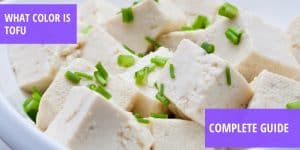
When it comes to color, tofu generally presents itself as an off-white or light beige hue. However, the shade can vary depending on the specific production process, type of coagulant used, and individual soybeans. It’s important to note that the color of tofu does not impact its taste or nutritional value4.
Several popular ways to prepare tofu include:
- Stir-frying: a go-to method for incorporating tofu into quick, flavorful dishes.
- Baking: an alternative to frying, providing a crispy exterior while avoiding excess oil.
- Scrambling: a popular vegan alternative to scrambled eggs, tofu can be seasoned and cooked to mimic this breakfast favorite5.
In summary, tofu is a nutritious, versatile food that has earned its place as a staple in many vegan and vegetarian dishes. Its off-white, light beige color does not affect its taste or nutritional value, and its ability to absorb various flavors allows it to fit seamlessly into a wide range of recipes6. With numerous methods of preparation, tofu is a go-to protein source for those looking to embrace plant-based eating.
Footnotes
- (https://www.thespruceeats.com/what-is-tofu-definition-and-recipes-3376822) ↩
- (https://www.bonappetit.com/gallery/all-about-tofu) ↩
- (https://www.forksoverknives.com/how-tos/tofu-types-pressing-silken-regular-recipes/) ↩
- (https://www.foodandwine.com/beans-legumes/soy/beginners-guide-to-tofu) ↩
- (https://www.bonappetit.com/story/types-of-tofu) ↩
- (https://www.thespruceeats.com/what-is-tofu-definition-and-recipes-3376822) ↩
Tofu Types
Silken Tofu
Silken tofu, originated in Japan, is known for its smooth, custard-like consistency. It comes in a range of textures from soft to firm but generally has a high water content making it delicate and easily breakable. This type of tofu is perfect for blending into smoothies, dressings, and desserts or incorporating in soups which require a creamy texture1.
Soft Tofu
Soft tofu, also referred to as “sundubu” in Korea, has a slightly denser texture than silken tofu but still retains much of its moisture. It is often used in dishes like spicy Korean soft tofu stew and traditional Japanese miso soup. Due to its tender and delicate texture, it is not suitable for stir-frying but can be steamed, simmered, or used in soups2.
Firm Tofu
Firm tofu is a popular choice in various cuisines, especially in the US, as it has a much lower water content than softer tofu types, making it dense and manageable for various cooking styles. It can be sliced, cubed, and retains its shape when cooked. This denser texture, compared to softer tofus, makes it ideal for stir-frying, grilling, and baking3.
Extra-Firm Tofu
Extra-firm tofu is the most rigid of all tofu types with the least amount of moisture, making it perfect for recipes requiring a meatier texture. Due to its sturdy nature, extra-firm tofu can be marinated and seasoned without falling apart, allowing for greater flavor absorption. It works well in dishes that require sautéing, pan-frying, or grilling, as it maintains its shape even under high heat4.
When it comes to the color of tofu, all of these types generally have a common hue. Tofu is primarily white or slightly off-white, but the shade can slightly vary based on factors such as production methods and regional practices.
Footnotes
Tofu Color and Appearance
Tofu is a versatile and nutritious food made from soybean milk, which is curdled and pressed. The color of tofu can be described as a pale off-white hue. The appearance of tofu may change slightly depending on the type and preparation methods. Let’s dive into the details of tofu color and appearance.
When it comes to the color of tofu, it is primarily influenced by the soybeans used. Mature white soybeans typically produce tofu with a pale or off-white color. However, tofu made from different soybean varieties or with added ingredients might exhibit a slight difference in color.
The texture of tofu varies based on its water content and the production process. There are three main types of tofu: silken, regular, and firm. Silken tofu is not pressed, which results in a high water content, a silky smooth texture, and a delicate surface that cannot hold its shape well. Regular tofu, on the other hand, is pressed and has a medium-firmness that holds its shape better than silken tofu. Firm tofu is pressed even more, removing more water, giving it a denser texture and the ability to retain its shape in various dishes.
The choice of tofu type may also affect the appearance of the tofu. For example:
- Silken tofu has a glossy, creamy appearance due to its high water content.
- Regular tofu has a slightly firmer texture, making it somewhat shiny but not as smooth as silken tofu.
- Firm tofu has a matte appearance with a more compact, solid structure.
In summary, tofu typically has a pale, off-white color and comes in various textures that influence its overall appearance. While silken tofu has a glossy, creamy look, regular and firm tofus display a slightly shinier or matte appearance, respectively, owing to their water content and pressing methods.
Texture and Flavor
Tofu, also known as bean curd, is a versatile and nutritious food made from soybeans, water, and a coagulant or curdling agent1. There are various types of tofu, each with unique textures and flavors suitable for different recipes and preferences.
Silken Tofu
Silken tofu is the softest variety, featuring a creamy and smooth texture2. Due to its high moisture content, it tends to fall apart easily, making it an ideal ingredient for items like soups, smoothies, or desserts. Since it’s less processed, silken tofu lacks a strong flavor, allowing it to absorb the taste of accompanying ingredients or seasonings.
Soft Tofu
Soft tofu is firmer than silken tofu but still delicate. It has a higher water content than other types of tofu2. Soft tofu is great for recipes like mapo tofu, a popular Sichuan dish, or stews where it can absorb the flavorful broth without losing its structure.
Firm Tofu
Firm tofu holds its shape better than soft tofu, making it suitable for various cooking techniques, such as stir-frying, sautéeing, and baking3. The spongy texture of firm tofu easily absorbs and retains flavors from spices and marinades4. While it may have a slightly more pronounced taste than soft or silken tofu, it still readily takes on the flavors of the dish it’s prepared in.
Extra-Firm Tofu
Extra-firm tofu has the most substantial texture, with very little water content2. Its hardiness can withstand a wider array of cooking techniques, from grilling to deep-frying, without falling apart. The result is deliciously crispy on the outside, yet tender on the inside. Similar to other tofu varieties, extra-firm tofu has a mild, subtle taste that allows it to blend well with other ingredients.
In summary, the texture of tofu ranges from creamy and velvety (silken tofu) to firm and spongy (extra-firm tofu)2. Likewise, the flavor varies from neutral and adaptable (silken) to slightly more pronounced but still ready for absorption (extra-firm)4. Each type of tofu offers unique textures and flavors, allowing people to utilize tofu to its fullest potential in a wide assortment of culinary applications.
Footnotes
Tofu Production Process
Soy Milk Preparation
Tofu is made from soy milk, which is prepared using soybeans and water. The process begins with soaking dried soybeans in water for an extended period. Afterward, the soaked soybeans are crushed into a fine paste, and then boiled to create a slurry. The slurry is then strained, separating the liquid soy milk from the solid pulp, known as okara.
Coagulation and Curds Formation
The next step involves the addition of a coagulant to the soy milk, which is crucial for the tofu production process. Various coagulants, such as salts, acids, and enzymes, can be used. However, the most common types are nigari (magnesium chloride) and gypsum (calcium sulfate). Adding the coagulant initiates the coagulation process, causing the proteins in the soy milk to bond and form curds. As a result, the liquid separates into curds and whey, similar to the cheese-making process. The exact type and amount of coagulant used will determine the firmness and texture of the final tofu product.
Pressing and Molding
Once the curds have formed, the whey is drained, and the curds are placed into molds. The molds come in various shapes and sizes, depending on the desired final product. During the molding process, excess liquid continues to be pressed out of the curds, leaving a more solid and compact tofu. The length and pressure of the pressing process will also impact the firmness and texture of the tofu. After the desired firmness is achieved, the tofu is removed from the mold and can be packaged, sold, or consumed.
Throughout each stage of the tofu production process, the appearance and color of the product are primarily influenced by the soy milk and the coagulants used. Tofu’s color can range from a very pale off-white to a slightly yellowish hue, depending on the specific techniques and ingredients involved in its production. Nevertheless, tofu maintains its unassuming and versatile appearance, allowing it to be a popular ingredient in a wide variety of dishes across many different cuisines.
Nutritional Benefits of Tofu
Tofu, a popular ingredient in many cuisines, is made from soybean curds and offers numerous nutritional benefits. Available in various firmness levels, it caters to a wide range of dishes and preferences. Although tofu typically appears white or off-white, its color might vary slightly depending on production methods.
One of tofu’s main selling points is its high protein content. It provides a high-quality, complete protein source with all the essential amino acids your body needs for proper functioning. In just 100 grams of raw firm tofu, you can find 21.8 grams of protein, making it an ideal choice for vegans and vegetarians looking to incorporate more protein into their diets.
Tofu is also an excellent source of calcium, an essential mineral for maintaining strong bones and teeth, as well as supporting nerve, muscle, and heart function. A half-cup serving (126 grams) of raw, firm tofu prepared with calcium sulfate contains a whopping 861 milligrams of calcium. With this, tofu is a popular dairy-free option for those seeking to meet their daily calcium requirements.
Iron, another valuable nutrient found in tofu, is crucial for maintaining healthy blood cells and transporting oxygen throughout the body. In just 100 grams of firm tofu, you can find 3.4 milligrams of iron, which contributes significantly to the recommended daily intake for both men and women.
Given its vast nutritional offerings, tofu is an excellent addition to the diets of vegans, vegetarians, and even omnivores, providing valuable nutrients without excess calories. Here is a quick overview of tofu’s unique nutritional profile:
- Protein: 21.8g (per 100g of firm tofu)
- Calcium: 861mg (per half-cup serving of raw, firm tofu prepared with calcium sulfate)
- Iron: 3.4 milligrams (per 100g of firm tofu)
- Alternative to meat and dairy
- Low in calories, carbohydrates, and cholesterol
In summary, tofu is a nutrient-rich plant-based food with notable benefits, including protein, calcium, and iron content. Its versatility makes it suitable for various dishes and dietary preferences, making it easy for anyone to enjoy its impressive nutritional offerings.
Cooking with Tofu
Tofu, also known as bean curd, is a versatile, plant-based protein that comes in a variety of textures and colors. Although the most common color of tofu is pale white, variations such as yellow or off-white can occur due to the ingredients used in the production process or the presence of certain additives.
Stir-Frying
When it comes to cooking tofu, stir-frying is a popular method that works well with firm or extra-firm varieties. To achieve a crispy exterior and a tender interior, first press the tofu to remove excess moisture, then cut it into evenly-sized cubes or tear it into irregular chunks for added texture. Preheat a pan with oil over medium-high heat and add the tofu, being careful not to overcrowd the pan. Cook the tofu for 4-5 minutes or until golden brown and crispy on the outside, turning as necessary for even cooking. Stir-frying also allows for easy incorporation of sauces and other ingredients, such as vegetables or proteins, making it a quick and delicious cooking option for tofu recipes (source).
Deep-Frying
For a crispier texture, deep-frying is another method that can be used to cook tofu. Cut the tofu into desired shapes and sizes, then toss them in cornstarch or flour to help achieve a crispy coating. Preheat a deep-fryer or a pot of oil to 350 degrees F, and carefully add the coated tofu pieces in small batches. Cook until the coating is golden brown and the tofu is cooked through, then remove them from the oil using a slotted spoon and allow them to drain on paper towels. Deep-frying tofu can offer more texture and variety to a dish, such as in salads or as a side dish (source).
Baking
Baking tofu in the oven is another great way to achieve a delicious, crispy exterior while maintaining a tender, moist interior. To bake tofu, first press and cut it into your desired shapes and sizes. Tofu can be marinated to add extra flavor or simply seasoned with your favorite spices. Preheat the oven to 350 degrees F and place the tofu pieces on a baking sheet lined with parchment paper. Bake for 25-30 minutes or until golden brown and crispy on the outside, turning the pieces halfway through the cook time for even cooking (source).
In conclusion, tofu is a versatile and nutritious ingredient that can be cooked using various methods such as stir-frying, deep-frying, or baking. Whether you’re a seasoned tofu enthusiast or a beginner, experimenting with these cooking techniques can enhance the flavors and textures of your tofu dishes.
Tofu Alternatives
Tofu is a popular ingredient used in various dishes worldwide. This versatile protein source can be prepared in numerous ways, and its mild flavor lends itself well to absorbing the flavors of any recipe. However, there are several tofu alternatives that can satisfy diverse palates and dietary needs.
One such alternative is tempeh, which shares some similarities with tofu, such as its origin from soybeans. However, tempeh’s production process involves fermenting whole soybeans, resulting in a denser, nuttier flavor. The texture of tempeh is also different from tofu, making it an exciting option for those craving a new culinary experience.
Not only is tempeh a great source of plant-based protein, but it also offers increased nutritional value compared to tofu. For example, tempeh contains more fiber than tofu, providing additional health benefits for individuals following a plant-based diet. In addition, the fermentation process used in making tempeh enhances the availability of nutrients and makes it easier to digest.
There are several ways to prepare tempeh, making it a versatile ingredient for different dishes. Some popular methods include marinating and baking, grilling, or incorporating it into soups and sandwiches. When selecting tempeh at the grocery store, several brands offer high-quality options, such as Lightlife.
In summary, tempeh serves as a nutritious and delicious alternative to tofu, with a distinctive texture and flavor profile. As more people explore plant-based diets, incorporating tempeh into meal planning can add variety and excitement, keeping taste buds engaged and satisfied. So next time you’re considering a tofu dish, consider giving tempeh a try!

Hey, I’m Joey. I’ve been cooking since I was a little kid and love everything about it. You can find my writing about food, kitchen appliances (such as blenders) and much more. Thanks for stopping by!
