
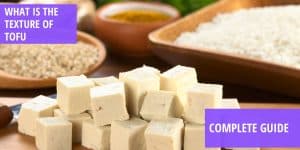
Tofu is a versatile and nutritious food that is enjoyed by many people around the world. However, some people are put off by its unique texture. In this article, we’ll explore the texture of tofu and what makes it different from other foods. We’ll also provide tips on how to prepare tofu to achieve different textures, from soft and silky to firm and chewy, and share some delicious recipes that showcase the many textures of this beloved food.
Types of Tofu and Their Textures
Soft Tofu
Soft tofu, sometimes referred to as “silken tofu,” has a delicate, smooth texture. It is easily breakable and has a high water content. Soft tofu can be used in a variety of dishes, such as miso soups or eaten on its own, either cold or warm1. Due to its soft texture, it is not suitable for frying or grilling.
Medium Tofu
Medium tofu lies between soft and firm tofu in terms of texture. It holds its shape better than soft tofu, making it slightly more versatile. It can be used in soups, stir-fries, and salads2. Medium tofu’s texture is tender but is still crumbly and not ideal for frying.
Firm Tofu
Firm tofu is more robust in texture compared to medium tofu. It has a lower water content, allowing it to hold up better in cooking methods like frying, grilling, or baking2. Its denser texture makes it an excellent choice for marinating and absorbing flavors from sauces and spices. This type of tofu is popular in stir-fries, curries, and sandwiches.
Extra Firm Tofu
Extra firm tofu has even less water content than firm tofu, further intensifying its robust texture2. This denser, chewier consistency is perfect for grilling, baking, and frying, as it can withstand higher cooking temperatures without falling apart. Extra firm tofu is commonly found in various Asian dishes, as well as in Western-style sandwiches.
Silken Tofu
Silken tofu is similar to soft tofu in that it has a smooth, delicate texture. However, silken tofu can range from soft to firm3. The main difference is that it is not pressed, giving it a slightly different consistency. This type of tofu is often used in desserts, smoothies, or as a replacement for dairy-based products in both savory and sweet recipes. Silken tofu can also be used in dishes like miso soup or served as a side dish4.
Super-Firm Tofu
Super-firm tofu has the lowest water content of all types of tofu, providing a very dense and chewy texture2. This tofu variety is excellent for grilling, baking, stir-frying, or even as a meat substitute in dishes like burgers or tacos. Its ability to maintain its shape and texture during cooking makes it an excellent choice for more complex culinary techniques, such as grilling on skewers or deep-frying with breading.
Overall, the texture of tofu varies significantly depending on its type, making it a versatile ingredient suitable for various cooking techniques and dishes.
Footnotes
Tofu Texture and Taste
Tofu, also known as bean curd, is a versatile food item made from soybeans, water, and a coagulant or curdling agent 1. Its taste and texture are essential characteristics that appeal to different people based on their preferences.
Starting with the taste, plain tofu is often described as subtle or mild in flavor 2. Since it does not have a strong taste of its own, tofu is renowned for its ability to absorb the flavors of the spices and marinades it is cooked with. This makes it a popular ingredient in various international cuisines as it can easily adapt to different flavor profiles.
As for the texture, tofu comes in various forms, each with its own distinct firmness 3. The common types are:
- Silken tofu: Characterized as smooth, creamy, and custard-like, suitable for blending into sauces, soups, and desserts.
- Soft tofu: Slightly firmer than silken tofu but still very delicate, works well in gently simmered dishes or soups.
- Firm tofu: Holds its shape better, appropriate for stir-frying, grilling, or baking.
- Extra-firm tofu: Has a dense and meaty texture, making it ideal for braising or using in sandwiches and wraps.
When faced with raw tofu, its texture ranges from soft and silky to dense and firm, depending on the type 4. The texture plays an integral role in the tofu’s versatility, and as a result, people may have varying preferences when it comes to consuming tofu.
In order to best experience the taste and texture of tofu, it is essential to properly prepare it before cooking. This typically involves draining and, if necessary, pressing the tofu to remove excess moisture 5. It is also crucial to select the appropriate type of tofu based on the intended recipe, as each type lends itself best to specific cooking methods and dishes.
In summary, tofu’s taste is subtle and can easily absorb other flavors, while its texture varies depending on the type, ranging from soft and silky to firm and dense. When properly prepared, tofu can be a delightful addition to a wide variety of meals.
Footnotes
Tofu Texture and Preparation Techniques
Tofu, made from dried soybeans, has a unique spongy texture that allows it to absorb flavors beautifully. Its texture and flavor can vary depending on factors like the soaking time of soybeans and the preparation methods used. This section will explore various tofu preparation techniques and their effects on the texture of tofu.
Pressing Tofu
Pressing tofu involves removing extra moisture from the tofu block, resulting in a firmer texture. To press tofu:
- Wrap the tofu block in a clean kitchen towel or paper towels.
- Place the wrapped tofu on a plate or cutting board.
- Put a heavy object, like a cast iron skillet or a stack of heavy books, on top of the wrapped tofu.
- Let the tofu press for at least 30 minutes to an hour.
Pressing the tofu effectively eliminates excess water, allowing it to better absorb marinades and seasonings.
Freezing Tofu
Freezing tofu is another technique that alters its texture. Freezing and then thawing tofu gives it a denser, meatier texture. To freeze tofu:
- Drain the tofu and gently press it to remove some of the initial moisture.
- Cut the tofu into the desired shape and size.
- Place the tofu pieces on a parchment-lined baking sheet, ensuring they don’t touch each other.
- Freeze the tofu for at least 4 hours, or until completely frozen.
- Allow the frozen tofu to thaw in the refrigerator for a few hours before using it in recipes.
Boiling Tofu
Boiling tofu is a simple technique that softens the tofu while preserving its moisture content. To boil tofu:
- Cut the tofu into desired pieces.
- Bring a pot of water or broth to a boil.
- Gently add the tofu pieces and let them boil for a few minutes.
- Remove the tofu from the boiling liquid with a slotted spoon and transfer it to your recipe.
Boiling tofu enhances its smooth texture and makes it suitable for adding to soups, stews, or curries.
Frying Tofu
Frying tofu gives it a crispy exterior while maintaining its tender interior. To fry tofu:
- Press the tofu to remove excess moisture.
- Cut the tofu into cubes or slices.
- Heat oil in a pan over medium heat.
- Add the tofu pieces to the pan, being cautious not to overcrowd the pan.
- Fry the tofu, turning it occasionally, until all sides are golden brown and crispy.
Fried tofu is perfect for stir-fries, salads, and wraps.
Grilling Tofu
Grilling tofu imparts a smoky flavor and creates attractive grill marks on the surface. To grill tofu:
- Press and marinate the tofu for at least 30 minutes.
- Preheat your grill or grill pan on medium-high heat.
- Brush the grill grates or pan with oil to prevent sticking.
- Place the marinated tofu on the grill, and cook for 3-4 minutes per side or until the desired level of grill marks is achieved.
Grilled tofu makes a delicious addition to summer barbecues and can be served in sandwiches, salads, or as a main course.
By understanding and utilizing these different tofu preparation techniques, you can select the best method for your desired texture and flavor in various recipes.
Enhancing Tofu Flavor
Tofu, also known as bean curd, is a highly versatile food that can prove to be an exceptional canvas for various flavors and textures. It’s made from soybeans and comes in various forms, ranging from soft to extra firm. Regardless of the type of tofu, it’s essential to know how to enhance its flavor and create delicious dishes with it.
One of the first steps to take when working with tofu is to drain and press the extra liquid out of it. This process allows the tofu to better absorb flavors from marinades, spices, and other ingredients you add to the dish. Particularly when using firm or extra firm tofu, it’s critical to eliminate as much water as possible before cooking, which can be done by letting it drain for around 10 to 15 minutes on paper towels (source: Instructables).
Once the tofu is adequately drained, marinating it becomes an excellent way to infuse it with flavors. To make tofu taste even more amazing, consider using marinades that incorporate a mix of ingredients such as soy sauce, garlic, ginger, and citrus juices. The longer tofu is allowed to marinate, the more it will take on the flavors of the marinade. Aim to marinate tofu for at least 30 minutes or even overnight for optimal results (source: US News Health).
In addition to marinades, spices play an essential role in boosting the flavor of tofu. When using spices for tofu dishes, experiment with herbs like cilantro, basil, or parsley, as well as ground spices such as cumin, paprika, and turmeric. Mixing these spices will not only add layers of flavor but also create a more visually appealing dish.
Another technique to enhance tofu’s texture is called “liangban,” which involves thoroughly salting water before placing the tofu in it. This step draws out excess moisture and results in a firmer texture (source: Tasting Table). It’s essential to note that this method works better with firm or extra firm tofu rather than silken varieties.
In conclusion, enhancing the flavor and texture of tofu can be achieved through proper preparation such as draining, marinating with various ingredients, utilizing different spices and herbs, and employing techniques like liangban. Applying these methods and experimenting with flavors will allow you to create delicious and satisfying tofu dishes.
Texture and Nutritional Content
Tofu, a popular plant-based protein source, is made primarily from soybeans, water, and a coagulating agent. Tofu’s texture depends on the type and preparation method you choose. There are many different types of tofu available, and each has its specific texture.
Silken tofu has the softest consistency, with a smooth, custard-like texture that’s perfect for blending into smoothies, desserts, and creamy sauces. Soft tofu, also known as regular tofu, is slightly firmer than silken tofu, but still has a delicate, smooth texture. This type is often used in dishes like soups and stews that require gentle cooking.
Firm tofu is denser and has a more robust texture compared to soft tofu. It holds its shape well and is a popular choice in various stir-fry dishes, salads, and sandwiches. Extra-firm tofu has the strongest texture and works well in dishes where a sturdy protein source is needed. It can be pan-fried or grilled, and holds its shape even after extended cooking.
The nutritional content of tofu is influenced by its soybean base and the coagulating agent used during production. Most commonly, calcium sulfate is used, which adds to tofu’s overall calcium content. Tofu is not only high in protein but also a complete protein source, containing all the essential amino acids your body requires.
For example, a half-cup serving (126g) of raw, firm tofu prepared with calcium sulfate has the following nutritional profile, according to the USDA:
- Calories: 181
- Fat: 11g
- Sodium: 17.6mg
- Carbohydrates: 3.5g
- Fiber: 2.9g
- Protein: 21.8g
- Calcium: 861mg
- Manganese: 1.5mg
- Selenium: 21.9mcg
- Iron: 3.4mg
When selecting tofu, always check the label for nutritional information, as it may vary depending on factors like the coagulating agent or processing procedures. Tofu is a versatile ingredient that can easily soak up flavors from seasonings and marinades, making it an excellent addition to many dishes. Remember to consider the desired texture of your tofu, as different types will affect the final result of your culinary creation.
Tofu in Different Dishes
Tofu, a versatile protein-rich food made from soybeans, water, and a coagulant, comes in various textures, each suitable for different types of dishes. Its texture can range from silken and creamy to spongy and firm, depending on the production and pressing process. This section will explore the uses of tofu in different dishes, particularly focusing on soft tofu in soups and crispy tofu in stir-fries.
Soft Tofu in Soups
Soft tofu, such as silken tofu, is a popular choice for soup recipes due to its delicate, creamy texture. This type of tofu is minimally curdled and processed, resulting in a product that is gentle in both taste and consistency (source). Known for its ability to absorb flavors from spices and marinades, soft tofu is often included in traditional Asian soups such as miso soup or hot and sour soup. It easily blends into the broth, providing a subtle, smooth protein addition that complements the soup’s other ingredients.
To use soft tofu in soups:
- Cut the tofu into small cubes or slices.
- Gently add the tofu to the hot broth or soup, ensuring the broth is heated and seasoned before adding it.
- Simmer the soup for a few minutes to let the tofu absorb the flavors without breaking apart.
Crispy Tofu in Stir-Fries
For those looking to add a satisfying crunch and texture to their stir-fry dishes, crispy tofu is the perfect choice. Typically made from medium-firm or extra-firm tofu, this type of tofu holds its shape well and can be easily pan-fried or deep-fried to achieve a crispy exterior (source).
To make crispy tofu for a stir-fry:
- Choose medium-firm or extra-firm tofu, as it can withstand high-heat cooking while maintaining its structure.
- Press the tofu by wrapping it in a clean towel and placing something heavy on top, like a cutting board or a heavy skillet, to remove excess liquid. Press for at least 30 minutes to an hour.
- Cut the pressed tofu into cubes or your desired shape.
- Coat the tofu pieces in cornstarch or another starch to achieve an extra crispy texture.
- Heat some oil in a skillet or wok and fry the tofu until golden-brown and crispy on all sides.
- Remove the tofu from the pan and set aside. Proceed with cooking the remaining stir-fry ingredients, then incorporate the crispy tofu back into the dish just before serving.
Including tofu in dishes like soups and stir-fries allows for variety in textures and flavors; while soft tofu brings creaminess to soups, crispy tofu adds an enjoyable crunch to stir-fries. By understanding each type’s unique properties, one can effectively incorporate tofu into a wide range of cuisines and recipes.

Hey, I’m Joey. I’ve been cooking since I was a little kid and love everything about it. You can find my writing about food, kitchen appliances (such as blenders) and much more. Thanks for stopping by!
