
Tofu and fish are two protein sources that are popular in many different diets. While tofu is a plant-based protein that is often used in vegetarian and vegan diets, fish is a seafood-based protein that is popular among pescatarians and those who follow a Mediterranean diet. In this article, we’ll compare tofu and fish to help you decide which one is the better option for your diet.
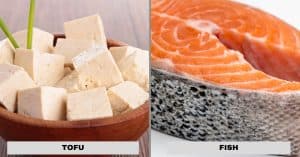
Tofu Vs. Fish: Nutritional Value
Protein Content
Tofu is an excellent source of protein, providing all the essential amino acids our bodies need. A 3.5-ounce (100-gram) serving of tofu offers a high concentration of protein, making it an appealing alternative to animal-derived protein sources 1. Fish is also a rich source of protein, with the advantage of being a natural source, rather than being derived from a plant like tofu 2. When considering protein content, both tofu and fish are valuable additions to a well-rounded diet.
Fat Content
Tofu primarily consists of healthy polyunsaturated fats 3. Half a cup of firm tofu contains approximately 11 grams of fat, providing a healthy fat source without excessive calorie intake 3. In contrast, fish is known for its abundance of omega-3 fatty acids, essential for heart health and brain function 2. Different fish species contain varying amounts of fat, but the omega-3 fatty acids found in many fish varieties contribute numerous health benefits.
Vitamins and Minerals
Tofu and fish each offer unique vitamins and minerals that contribute to a nutritious and balanced diet. Some key differences between the two include:
- Calcium: Tofu is an excellent source of calcium, an essential mineral for healthy bones and teeth 2. In contrast, fish typically contains lower levels of calcium, making tofu a better option for those looking to increase their calcium intake.
- Iron: Fish is a good source of iron, crucial for healthy red blood cells and oxygen transport within the body 2. While tofu also contains some iron, fish generally offers higher concentrations of this vital mineral.
- Vitamins and other minerals: Tofu provides a variety of essential vitamins and minerals, including B vitamins, copper, and magnesium 1. Fish also delivers vital nutrients, such as vitamin D, selenium, and iodine, depending on the variety 2.
When comparing the nutritional value of tofu and fish, each offers distinct advantages. Incorporating both into a balanced diet can provide a wide range of essential nutrients required for overall health and well-being.
Footnotes
Health Effects
Heart Health
Tofu and fish both offer health benefits for the heart. Tofu contains isoflavones, which can help reduce the risk of heart disease by lowering LDL cholesterol levels Medical News Today. On the other hand, fish is a rich source of omega-3 fatty acids, which are essential for maintaining heart health and reducing inflammation cookindocs.com.
Cancer Risk
Tofu may play a role in reducing the risk of certain cancers, such as prostate and breast cancer, due to its high isoflavone content Healthline. Genistein, a phytoestrogen found in soy products like tofu, has been shown to inhibit the growth of cancer cells in some studies. Fish provides a good source of vitamin D, which has been linked to reduced risk of some cancers, but more research is needed to verify this effect.
Diabetes Management
Incorporating tofu into the diet can help manage type 2 diabetes, as it lowers cholesterol levels, improves blood sugar control, and reduces insulin resistance. Fish, being a high-quality protein source, can also play a role in regulating blood sugar levels Healthline.
Menopause and Hormonal Health
Soy-based products like tofu contain phytoestrogens, which can help alleviate symptoms related to menopause, such as hot flashes, due to their estrogen-like properties. Fish, while not directly linked to menopause relief, can provide essential nutrients and healthy fats, like omega-3 fatty acids, that support overall hormonal health cookindocs.com.
Kidney Health
Tofu may have a positive effect on kidney health, as it contains plant-based proteins that are less taxing on the kidneys compared to animal-based proteins. Additionally, isoflavone-rich tofu may help reduce the risk of chronic kidney disease. Fish can also improve kidney function, as it contains anti-inflammatory omega-3 fatty acids and is a natural source of protein. However, certain types of fish may be high in mercury, which can negatively affect kidney health, so caution should be taken when selecting fish for consumption WebMD.
Bone Health
Tofu is a good source of calcium, which is essential for maintaining strong bones and preventing age-related bone loss Healthline. Fish also plays a role in supporting bone health due to its high content of vitamin D and trace minerals, which are necessary for proper calcium absorption and maintaining bone mineral density cookindocs.com.
Brain Function
Fish is known for its positive effects on brain function, as it contains omega-3 fatty acids that help maintain healthy neurons and reduce inflammation. Tofu, while not as directly linked to cognitive health as fish, still provides essential nutrients, such as iron and calcium, that support overall brain function and health cookindocs.com.
Types and Textures
Silken Tofu
Silken tofu is known for its smooth and silky texture which can easily break apart due to the high water content present in it. This type of tofu comes in a range of consistencies, from soft to firm, and is often used in various dishes such as miso soup, or eaten on its own, either cold or warm1. Since silken tofu has a delicate texture, it needs to be handled gently during cooking and serving to ensure it maintains its shape and appealing appearance.
Extra-Firm Tofu
Extra-firm tofu, on the other hand, boasts a denser and more robust texture compared to silken tofu. This is due to the lower water content and more extensive pressing process during its production2. Extra-firm tofu holds its shape well and can withstand more rigorous cooking methods, such as frying, grilling, or stir-frying. Moreover, its relatively solid structure makes it an excellent choice for dishes in which the tofu needs to be cubed or sliced, as it won’t crumble or disintegrate easily.
Fish Varieties
While not directly related to tofu, fish offers a variety of textures and appearances based on the species and cooking methods used. Some common fish species come in the following varieties:
- White fish: Examples include cod, haddock, and halibut. They have a delicate, flaky texture and mild flavor.
- Oily fish: Mackerel, salmon, and sardines are examples of oily fish. These fish are rich in omega-3 fatty acids and have a more intense, distinctive flavor.
- Shellfish: Shrimp, clams, and lobster are considered shellfish. Their texture varies from firm and chewy to soft and tender, depending on the specific type of shellfish and the cooking method used.
By comparing the different textures and appearances of silken tofu, extra-firm tofu, and fish, cooks and consumers can appreciate the unique qualities each one brings to the table.
Footnotes
Culinary Uses
Tofu Preparation
Tofu, also known as bean curd, is a high-protein, low-fat soy product made from soybeans, water, and a coagulant or curdling agent, such as nigari or calcium sulfate1. To prepare tofu for cooking, you’ll first want to drain and press the block to remove any excess liquid. This helps improve the texture and allows the tofu to better absorb flavors from spices, sauces, and marinades.
When it comes to cooking tofu, there are numerous methods to choose from. One popular option is stir-frying, which involves quickly cooking the tofu in a small amount of oil at high heat, resulting in a crispy exterior and tender interior. Tofu can also be baked, grilled, or even scrambled, making it a versatile meat substitute in vegetarian diets1.
Fish Preparation
Preparing fish for cooking involves several key steps. Start by cleaning and scaling the fish, removing any unwanted parts, and patting it dry with paper towels. You can then season the fish with spices, herbs, or a marinade, depending on your desired flavor profile. Some common fish seasoning ingredients include soy sauce, lemon juice, and fresh herbs.
When it comes to cooking fish, there are various methods to choose from, such as baking, grilling, pan-searing, or poaching2. Each method has its unique benefits and can bring out different flavors and textures in the fish.
Recipes and Flavor Pairings
Both tofu and fish offer a wide range of flavor pairing options. Here are a few ideas for your culinary creations:
Tofu:
- Stir-fry tofu with vegetables and a soy sauce-based sauce3
- Marinate tofu in a mix of sesame oil, garlic, and ginger, then bake or grill it1
- Use silken tofu in soups, such as miso soup, for a creamy texture4
Fish:
- Bake fish with a breadcrumb, Parmesan cheese, and herb crust5
- Grill fish in a foil packet with lemon, herbs, and olive oil2
- Pan-sear fish with butter and garlic, then serve with a white wine sauce2
Footnotes
Sustainability and Environmental Factors
When comparing tofu and fish in terms of sustainability and environmental factors, it’s essential to consider multiple aspects, such as production, pollution, and resource usage.
Tofu, a popular plant-based food, is made by coagulating soya milk derived from soybeans. While concerns have been raised about the sustainability of soybean cultivation, it’s worth noting that only a small percentage of global soy production is used for human consumption, with a majority allocated to animal feed1. On the other hand, fish, particularly wild-caught varieties, are a natural resource whose supply is influenced by numerous factors, including overfishing and environmental changes.
In terms of pollution, the production of tofu generates less waste and fewer greenhouse gas emissions when compared to fish farming. Fish farming can lead to various environmental issues, such as the eutrophication of lakes, which is the pollution of waterways with nutrient-rich water2. In contrast, tofu production has a relatively lower impact due to its plant-based nature, though agricultural practices still play a role in overall environmental impact.
Some key points to consider in the debate between tofu and fish are:
- Tofu is a plant-based food with no cholesterol, making it a healthier choice for those looking to reduce their cholesterol intake.
- The cultivation of genetically modified (GM) soybeans is prevalent, which raises questions about the sustainability of tofu produced from GM soybeans. However, organic tofu options are available for those who prefer non-GM sources.
- The use of plant-based foods, such as tofu, can help reduce the stress on natural resources, as they require less land, water, and feed when compared to producing animal-based protein sources, including fish.
While both tofu and fish have their own environmental considerations, opting for plant-based foods like tofu could potentially contribute to a more sustainable food system. However, it’s crucial to weigh the pros and cons of each food source and make informed decisions based on personal preferences, dietary needs, and lifestyle choices.
Footnotes
Expert Perspectives
When it comes to the debate between tofu and fish, many factors are considered, such as protein content, nutritional value, and environmental impact. Registered dietitians and health food stores alike have diverse opinions on the matter. In this section, we will explore some expert perspectives that may help you better understand the differences between tofu and fish.
First, let’s compare protein content. While it’s true that fish generally contain more protein than tofu, the specific numbers depend on the type of fish and tofu. For example, a 3-ounce serving of fish can provide at least twice as much protein as a 3-ounce serving of firm, uncooked tofu (with 7 grams of protein). Nevertheless, certain tofu varieties have more protein than others.
Nutrition-wise, these two foods differ in several aspects. Tofu is an excellent source of manganese, containing 74 times more manganese than fish, which is an essential mineral for our bodies. On the other hand, fish like salmon provide 117% more Vitamin B12 than tofu, which is crucial for maintaining a healthy nervous system and enhancing our cognitive function.
Moreover, tofu and fish each have various types and preparation methods that affect their nutritional content. Tofu types range from silken to extra-firm, with their water content as the main difference. These types can be blended, fried, boiled, or even enjoyed raw, offering versatility in dishes. Fish, on the other hand, can be prepared in numerous ways, such as grilled, baked, or pan-seared, all of which can affect their nutritional value.
It’s essential to keep in mind that neither tofu nor fish has an inherently “healthier” option, as they both have unique nutritional profiles. Dietitians suggest incorporating both sources in a balanced diet to maximize their benefits. However, if you have specific dietary requirements or preferences, consulting with a registered dietitian may help guide you in making the best choice for your individual needs.
Environmental factors, such as sustainability and the impact of farming practices, are also relevant when comparing tofu and fish. Considering these aspects might help consumers make informed decisions when selecting food items.
In conclusion, tofu and fish are both valuable components of a well-rounded diet. It’s essential to look closely into expert opinions and investigate the various dietary factors of each option when choosing a suitable protein source. Your personal dietary needs, as well as the impact on the environment, should also be kept in mind.

Hey, I’m Joey. I’ve been cooking since I was a little kid and love everything about it. You can find my writing about food, kitchen appliances (such as blenders) and much more. Thanks for stopping by!
